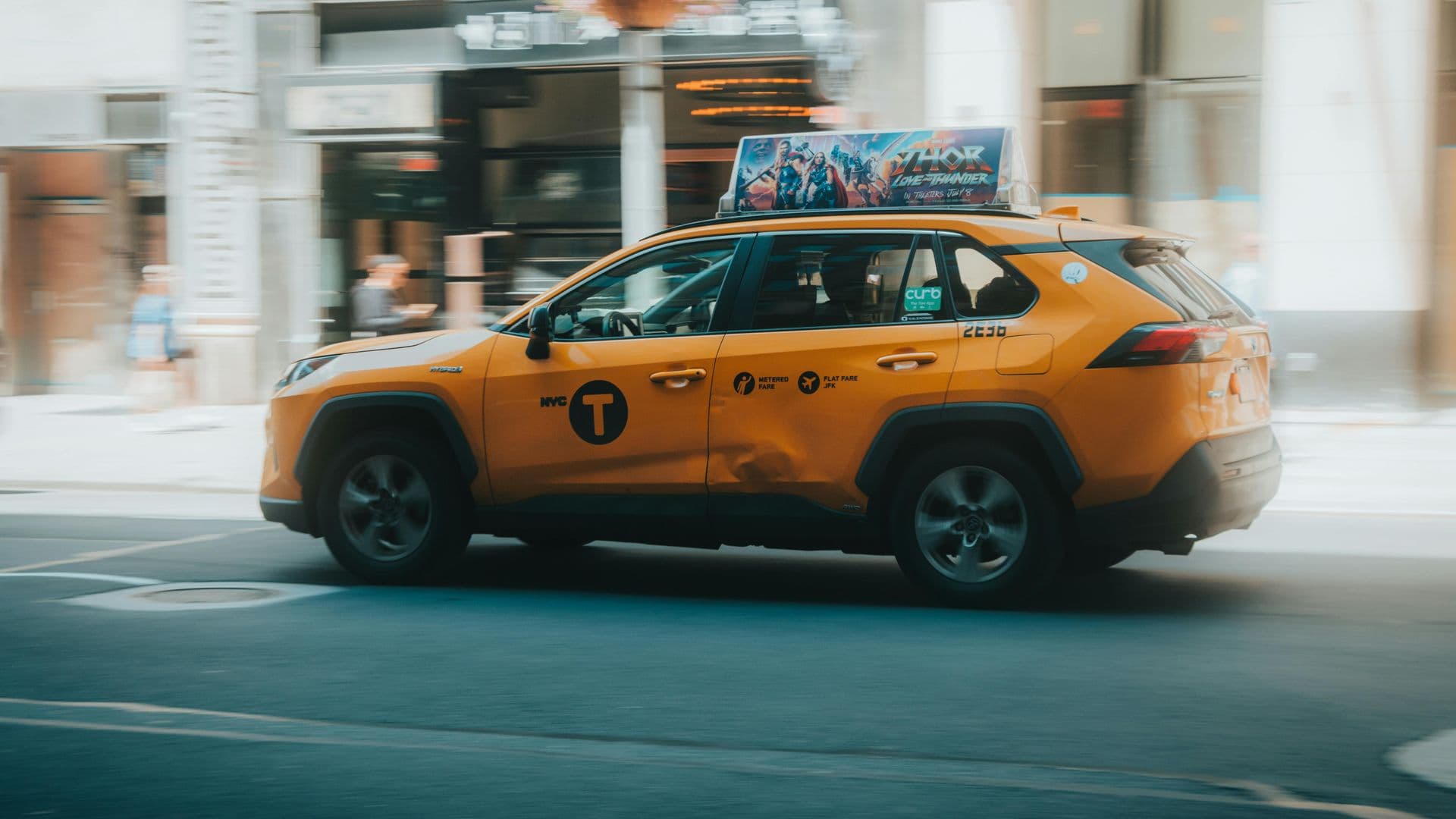
Kenyan advertisers still spread budget across channels that were built for a different media landscape: fixed roadside boards, broadcast slots, and print runs that cannot follow where Nairobi actually moves. Moving LED taxi tops and geo-scheduled delivery bike enclosures are not a replacement for every line item, they answer a specific gap: reach that travels with traffic, proof that plays happened, and flights short enough to test before you commit a quarter.
What we mean by “traditional” channels
In this guide, “traditional” means formats that do not move with the audience or do not report plays at route level: static billboards, radio and TV spots, newspaper and magazine placements, flyers, and unlit roadside panels. We compare them fairly on planning, targeting, proof, and minimum flight length, without ranking brands or vendors.
Static billboards and unlit roadside panels
A static board owns one sight line. That is powerful when your audience truly lives on that road, but Nairobi commutes cut across CBD arterials, estates, and junctions that no single board can cover. Booking is often tied to multi-week minimums, creative is fixed for the flight, and measurement usually stops at installation photos plus traffic estimates rather than verified plays on your schedule.
Admobi taxi-top LED units ride above congestion sight lines and follow corridor traffic. You book corridors and time windows, not a single postcode. GPS-verified proof-of-play shows when and where creatives ran, useful when procurement asks for evidence beyond a site photo.
Radio and television
Broadcast still builds fame and audio recall at scale. The trade-off is audience fragmentation and limited geographic precision: a Nairobi FM buy may wash across counties you do not serve, and TV dayparts are expensive for short tests. There is no route-level log tying a spot to Thika Road versus Westlands.
Moving OOH complements broadcast rather than replacing it. Brands often use taxi-top flights to reinforce a radio or digital burst in specific corridors, same week, same message, verifiable outdoor presence where commuters are stuck in traffic.
Print, flyers, and door drops
Print is tangible and trusted for coupons, tariffs, and local language. Production lead times and distribution control vary by vendor; proof is circulation-based, not GPS. Flyers work for hyper-local handoffs but do not scale corridor reach without heavy staffing.
Digital OOH on taxis and delivery bikes keeps motion and schedule control: creative can be trafficked centrally, swapped per agreement, and reported like other performance media, without guessing how many leaflets survived the rain.
Social and search (the “new traditional”)
Paid social and search are default for performance marketers. They excel at click and conversion tracking but compete in auction noise; outdoor still delivers unavoidable presence in the physical world. The strongest Nairobi plans pair precision digital with OOH that can be geo- and time-targeted, not just bought as a city-wide package.
Side-by-side: format traits that matter in Nairobi
Static billboards: fixed location, board-level targeting, installation-based proof, often multi-week minimums. Radio/TV: national or regional reach, daypart targeting, ratings-based proof. Print/flyers: tactile, local, circulation-based proof. Admobi taxi-top LED: moves with traffic, corridor and time-window targeting, GPS proof-of-play, flights from one day where inventory allows. Admobi delivery bike enclosures: last-mile estates and lunch corridors, estate-cluster targeting, GPS proof-of-play, typically weekly books.
When to lean on which channel
Use static OOH when you have a landmark message and a board that truly dominates one commute. Use broadcast for audio identity and mass awareness. Use print when physical handoff matters. Use moving LED taxi tops when you need corridor coverage, short test flights, mid-campaign corridor shifts, or procurement-friendly play logs. Use delivery bike enclosures when lunch-hour estates and dispatch routes are the audience.
How to run a short taxi-top test in Nairobi
Share your corridors, dates, and creative format (video or static per the media kit). Admobi confirms inventory, runs creative QA, schedules plays by time window, and delivers GPS proof-of-play summaries after the flight. Indicative taxi-top day bursts start from KES 85,000 for a single corridor where inventory allows, final pricing is confirmed per brief.
Ready to compare a moving LED flight against your current OOH line-up? Start a campaign brief and we will model corridors against your goals.